

The Chicago Bulls did well for themselves in the 2026 NBA Draft cycle.
Jumping up in the Draft Lottery to land Caleb Wilson at fourth overall is a franchise-changing stroke of luck, and Wilson showed exactly what he can be as an offensive weapon during his summer league appearances. Although Dailyn Swain didn't show up offensively during Summer League, he has the upside as a 3-and-D wing to be a perfect long-term running mate in the Bulls' system. Even their additions of Jaylin Sellers and Tobe Awaka post-draft seem destined to pay dividends this season.
But their decision to move off of both of their second-round picks, ultimately netting just cash considerations from the Los Angeles Lakers in return, remains controversial.
Although the landscape of the NBA Draft has changed in the NIL era in college basketball, those selections are still valuable assets to be leveraged by savvy organizations. With their trade of Luguentz Dort to the Atlanta Hawks, for example, the Oklahoma City Thunder have now amassed seven second-round selections with their flurry of moves this summer.
Ultimately, Chicago's decision to trade both their second-round picks likely won't be disastrous. But the Thunder's continued emphasis on amassing draft capital shines a glaring spotlight on the Bulls' pair of gambles.
As Chicago enters this rebuild, they need to place the same emphasis on draft capital— even if it lies in the second round.
The Bulls need to amass draft capital as they enter their rebuild
After adding Wilson and Swain in the first round, the Bulls evidently felt comfortable filling out the rest of their roster post-draft. They traded their selection at 38th overall to the Indiana Pacers for Kam Jones, who they waived just days later. They then moved the 56th overall pick to the Lakers in exchange for cash considerations.
Lead executive Bryson Graham defended these choices by stating that the team didn't have any prospects in the second round that drew heavy intrigue, and that's a reasonable argument.
But Chicago has 11 second-round picks between now and 2033. If they want to pull off this rebuild successfully, they're going to need to figure out how to leverage them.
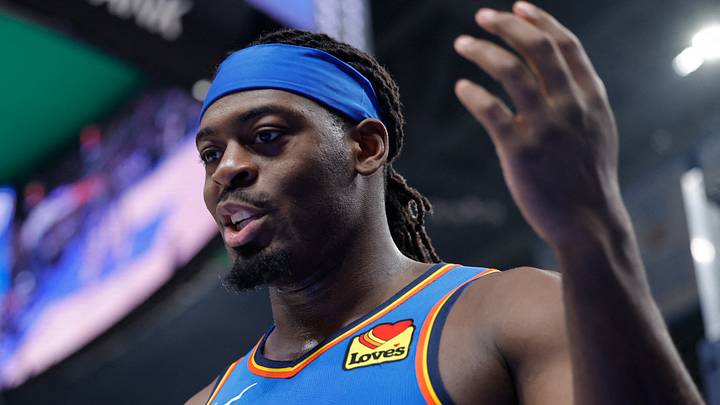
They obviously aren't worthless selections. The Thunder, who are in possession of one of the league's most heralded front offices, now also have 11 second-round selections in that same time frame.
While many expected them to move off of their pick this year in order to keep a roster or two-way spot available, they sprung for defensive-minded wing Otega Oweh out of Kentucky. But in the future, those picks can be packaged to help them move up within the first round or acquire additional role players to help fill out their roster.
The Bulls' goal over the next few seasons needs to be to amass as much draft capital as possible and utilize that capital to whatever extent they can. Regardless of how you view their decisions in the Draft, they did not accomplish that goal with their trades of their second-round selections.
Those picks clearly still have value, and Chicago needs to figure out how to leverage them under this new regime.
 Add us as a preferred source on Google