

Less than a week removed from the Chicago Bulls' trade for Buddy Hield, the trade has been analyzed from virtually all angles.
Dillingham's archetype as a small, score-first guard didn't fit the Bulls' long-term vision for defense and athleticism across the roster. With his team option for 2027-28 looming on Oct. 31, Chicago decided to move him in exchange for an imminently moveable (or at least droppable) contract. While Hield's production looked rough last season, he has the 3-point shooting upside not only to help the Bulls' backcourt in the short-term but also, potentially, to serve as a real trade asset by the time the deadline rolls around.
All of these things are true, and they're likely the primary reasons why Chicago chose to make the move.
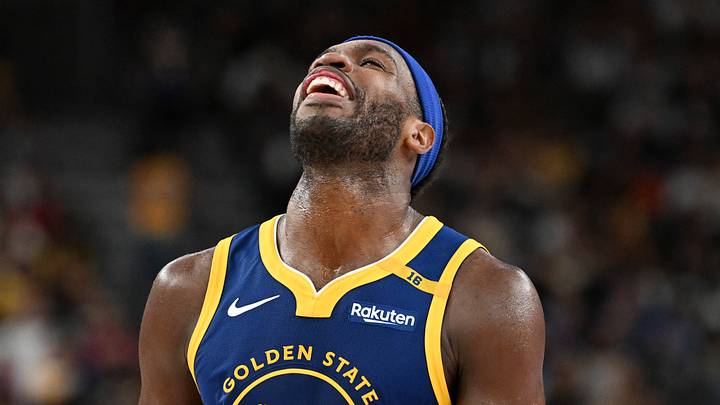
But there's another aspect to the trade here that's gone relatively unexplored. As frustrating as Hield can be at times as a player, he's a true chemistry piece to bring into a locker room. His relationship with his teammates, especially with the Golden State Warriors, has been strong wherever he's gone in the league.
For a team looking to find a direction and stay afloat in the NBA's new lottery system, Hield is the type of veteran addition that can bring much-needed good vibes to an organization like the Bulls.
Buddy Hield is the type of locker room presence the Bulls need, at least in the short-term
Of course, in the long-term vision of the rebuild, Chicago can't make decisions purely based on personality. But in the short-term, it's clear that new lead executive Bryson Graham has intentions of making this team at least semi-competitive in 2026-27.
With a bevy of new faces on the roster, chemistry is going to be the defining part of the early portions of the season for the Bulls. If the young players, and especially Caleb Wilson, get discouraged by disjointed and sub-par play early in the season, where does that leave Chicago in terms of maximizing their development?
When Graham was asked about his offseason moves at the Bulls' media day, he said that his aim was, at least partially, to raise the floor of the roster in order to facilitate the development of these pieces.
Thought it was notable that Bryson Graham, when asked about the summer, said he felt he raised the floor of the roster and that "it’s better to develop with a more competent roster."
— Joel Lorenzi (@JoelXLorenzi) September 28, 2026
Of course, Graham was likely primarily referring to his additions of veterans Nic Claxton and Norman Powell—both of whom will start for this team and help institute some semblance of offensive infrastructure for Wilson to work within.
But let's not forget that Hield is a veteran as well, and he's the type of player that, with his constant positivity and clear adeptness for developing relationships within the locker room, can help the organization accomplish that goal. He and Jimmy Butler developed a 'Batman & Robin' relationship when they were in Golden State together, and Hield, despite his inconsistent production, was a beloved member of that squad during his tenure there.
Even if you toss aside all the comparisons in skill sets and financial flexibility between Hield and Dillingham, then, the Bulls' trade for the veteran sharpshooter, at the very least, provides them with an additional presence to help promote the cohesion in the locker room that Graham is likely looking for at this point in the rebuild.
Establishing a new team identity at this stage is just as important as bringing in young, moldable talent. Even if Hield isn't in Chicago long, he's a worthwhile addition in that regard.
 Add us as a preferred source on Google